Order before 2pm for UK next day shipping | US | EXPORT

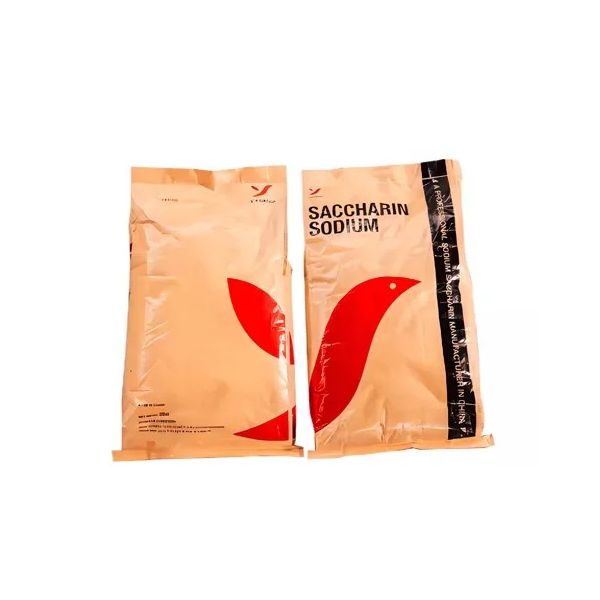
Sodium Saccharin 40 - 80 Mesh (25kg)
An artificial sweetener derived from the chemical modification ofsaccharin designed to enhance sweetness intensity and flavour profiles.
Availability:
In stock
SKU
SUG-SACCHARIN-25K
Sodium Saccharin, an artificialsweetener, is derived from the chemical modification ofsaccharin, which is primarily synthesised from toluene or anthranilic acid. The process involves sulfonation of saccharin to produce sodium saccharin, resulting in a white crystalline powder with intense sweetness. It is about 200 to 700 times sweeter than sucrose but with no caloric value, making it suitable for use in various low-calorie or sugar-free food and beverage products. Due to its stability under heat and acidic conditions, sodium saccharin is commonly utilised in baking, carbonated beverages, canned fruits, and pharmaceuticals. It also contributes to enhancing flavor profiles, masking bitterness, and extending product shelf life.
| Vegan | No |
|---|
Need technical advice?
Find all the your TDS and SDS here.
Talk to the people in the know by calling one of our qualified brewers and winemakers on 0115 978 5494


Murphy & Son, Alpine Street, Old Basford, Nottingham, NG6 0HQ, United Kingdom.
Murphy & Son Ltd | 0115 978 5494 | Legal Pages