Order before 2pm for UK next day shipping | US | EXPORT

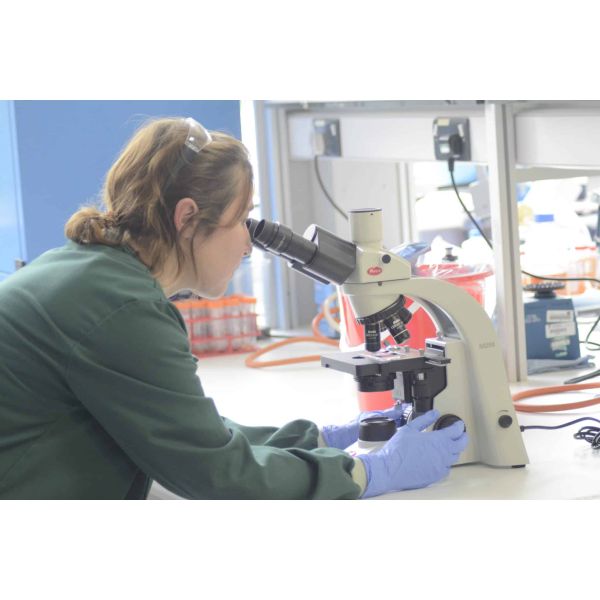
Full Microbiology Viable Counts inc. Pathogens
The Full Microbiology Suite of Testing involves a comprehensive analysis of various microorganisms that can affect product quality and safety.
Availability:
In stock
SKU
LAB-FULL-MICRO
Total viable count at 37oC and 22oC, including coliforms, E.coli and sulphite reducing Clostridia
Key components of the microbiology suite include:
1. Yeast Viability and Cell Count: Assessing the health and concentration of yeast cells ensures proper fermentation.
2. Bacterial Contamination Testing: Identifying spoilage bacteria, such as lactobacillus and pediococcus, that can lead to off-flavours and spoilage.
3. Mold Testing: Checking for fungal contamination that can adversely affect flavour and safety.
4. Coliform and E. coli Testing: Ensuring that the product is free from harmful pathogens, which is crucial for consumer safety.
5. Lactic Acid Bacteria (LAB) Testing: Evaluating the presence of LAB, which can be either beneficial for certain styles or detrimental if uncontrolled.
6. Sensory Analysis: Combining microbiological tests with sensory evaluations can help identify any off-flavours produced by microbial activity.
Implementing a full microbiology suite of testing allows brewers and winemakers to monitor fermentation closely, mitigate contamination risks, and ensure the overall quality and safety of their products. Regular testing helps in maintaining consistency and meeting regulatory standards in the industry.
| Vegan | No |
|---|
Need technical advice?
Find all the your TDS and SDS here.
Talk to the people in the know by calling one of our qualified brewers and winemakers on 0115 978 5494


Murphy & Son, Alpine Street, Old Basford, Nottingham, NG6 0HQ, United Kingdom.
Murphy & Son Ltd | 0115 978 5494 | Legal Pages