Order before 2pm for UK next day shipping | US | EXPORT

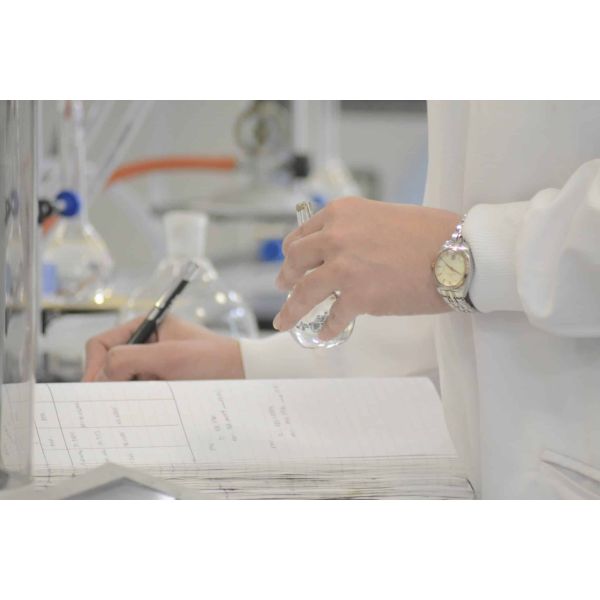
Nutritional Analysis
Nutrition analysis reported as Alcohol Content g/100ml, Total Carbohydrate Content g/100ml and Protein Content g/100ml. Nutritional content reported in kcal energy/100ml and kJ energy/100ml
Availability:
Out of stock
SKU
LAB-NUTRITIONAL-ANALYSIS
Nutritional analysis of beer and spirits is essential for quality control, regulatory compliance, and consumer information. It involves assessing key parameters such as calories, carbohydrates, proteins, fats, sugars, alcohol content, and essential minerals.
Key Components Analysed:
Alcohol by Volume (ABV): Determines ethanol concentration using gas chromatography (GC) or near-infrared (NIR) spectroscopy.
Calories: Calculated based on ethanol, carbohydrate, and protein content.
Carbohydrates & Sugars: Measured using high-performance liquid chromatography (HPLC) or enzymatic assays.
Protein Content: Determined using the Kjeldahl or Dumas method.
pH & Acidity: Affects taste, stability, and microbial control, analysed using titration.
Minerals (e.g., Sodium, Potassium, Calcium): Analysed using atomic absorption spectroscopy (AAS) or inductively coupled plasma (ICP) techniques.
Beer typically contains carbohydrates and proteins due to fermentation byproducts, whereas spirits have minimal nutrients apart from ethanol and trace minerals. This analysis ensures consistency, product labelling accuracy, and adherence to health regulations.
| Vegan | No |
|---|
Need technical advice?
Find all the your TDS and SDS here.
Talk to the people in the know by calling one of our qualified brewers and winemakers on 0115 978 5494


Murphy & Son, Alpine Street, Old Basford, Nottingham, NG6 0HQ, United Kingdom.
Murphy & Son Ltd | 0115 978 5494 | Legal Pages