Order before 2pm for UK next day shipping | US | EXPORT

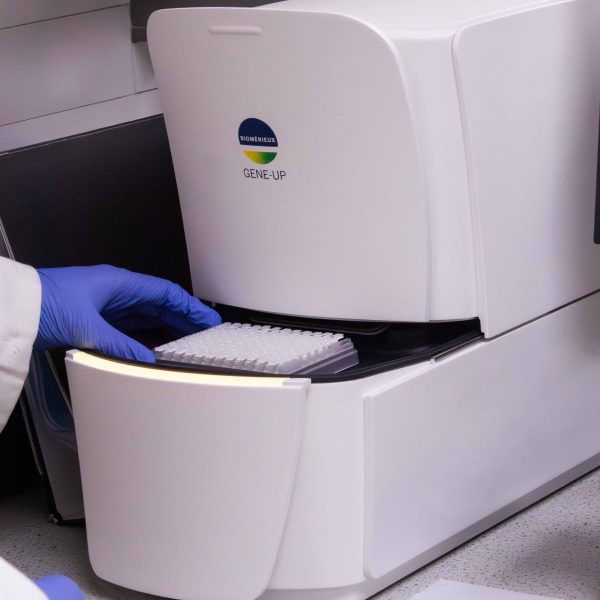
PCR Identification of Bacteria
Identifies typical spoilage yeasts (incl. S. diastaticus ) with high sensitivity and specificity.
Availability:
In stock
SKU
LAB-PCR-BACTERIA
Unlike traditional culturing methods, PCR allows for rapid detection of microbial contaminants, including those that are viable but non-culturable (VBNC), helping breweries maintain product quality and stability.
Common Beer Spoilage Bacteria Identified by PCR:
Lactic Acid Bacteria (LAB):
Lactobacillus spp. – Causes souring, haze, and off-flavours.
Pediococcus spp. – Produces diacetyl, leading to buttery off-flavours.
Obligate Anaerobes:
Pectinatus spp. – Produces hydrogen sulphide (rotten egg smell).
Megasphaera spp. – Causes putrid off-flavours and turbidity.
Acetic Acid Bacteria:
Acetobacter spp. – Converts ethanol to acetic acid, leading to sourness.
PCR Workflow for Beer Spoilage Bacteria Identification:
Sample Collection & Preparation: Beer, wort, or brewery environment samples are collected and filtered.
DNA Extraction: Bacterial DNA is isolated using commercial extraction kits.
PCR Amplification: Target-specific primers amplify DNA sequences of spoilage bacteria.
Detection & Analysis: Results are visualized via gel electrophoresis (conventional PCR) or fluorescence signals (real-time PCR/qPCR).
Advantages of PCR in Brewing Microbiology:
Rapid & Accurate: Detects spoilage organisms within hours instead of days.
Highly Specific: Differentiates between beneficial and spoilage microbes.
Detects VBNC Bacteria: Identifies contamination even if bacteria are non-culturable.
Prevents Spoilage Issues: Allows early intervention before beer deterioration occurs.
PCR-based microbial monitoring is a crucial tool for breweries to ensure beer quality, prevent spoilage, and maintain shelf stability.
| Vegan | No |
|---|
Need technical advice?
Find all the your TDS and SDS here.
Talk to the people in the know by calling one of our qualified brewers and winemakers on 0115 978 5494


Murphy & Son, Alpine Street, Old Basford, Nottingham, NG6 0HQ, United Kingdom.
Murphy & Son Ltd | 0115 978 5494 | Legal Pages