Order before 2pm for UK next day shipping | US | EXPORT

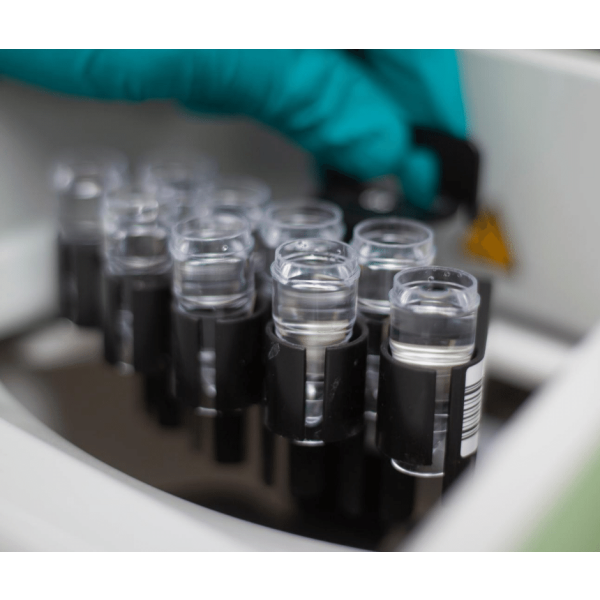
Water Analysis
Calcium, Magnesium, Chloride, Sulphate, pH, Total Hardness as CaCo3 Alkalinity as CaCo3 and Nitrate
Availability:
In stock
SKU
LAB-FWA
Liquor analysis involves a series of tests to evaluate various qualities and characteristics that define the final product.
Here are the key aspects of liquor analysis:
1. Alcohol Content: Measuring the alcohol by volume (ABV) is essential for determining the strength of the beer. This is typically done using distillation methods and hydrometry.
2. pH Levels: Monitoring the pH of beer is important as it influences flavour, stability, and overall quality. A typical pH range for beer is between 4.0 and 5.0.
3. Bitterness and Hops Analysis: Assessing the level of bitterness, often measured in International Bitterness Units (IBU), helps to understand the balance of flavours in the beer, particularly the hop characteristics.
4. Colour Measurement: The colour of beer is an important aesthetic quality and is measured using spectrophotometry or photometry to determine colour intensity and hue.
5. Chemical Composition: Analysing the presence of key compounds such as residual sugars, proteins, and various acids (e.g., lactic acid) can provide insights into the brewing process and the flavour profile.
6. Contaminants: Testing for unwanted substances such as off-flavours or microbial contaminants (like wild yeasts or bacteria) is critical to ensuring the safety and integrity of the beer.
7. Flavour Compound Analysis: Understanding the profile of esters, phenols, and other volatile compounds through gas chromatography-mass spectrometry (GC-MS) helps in assessing the beer's aroma and taste.
8. Carbonation Levels: Measuring dissolved carbon dioxide levels is important for the mouthfeel and overall drinking experience of the beer.
9. Microbiological Testing: Regular testing for microbial contamination ensures that the beer is safe for consumption and free from spoilage organisms.
Conducting thorough liquor analysis for beer is essential for maintaining consistent quality, adherence to regulatory standards, and meeting consumer expectations. It allows breweries to optimise their processes, troubleshoot production issues, and enhance the overall flavour and enjoyment of their products.
| Vegan | No |
|---|
Need technical advice?
Find all the your TDS and SDS here.
Talk to the people in the know by calling one of our qualified brewers and winemakers on 0115 978 5494



Murphy & Son, Alpine Street, Old Basford, Nottingham, NG6 0HQ, United Kingdom.
Murphy & Son Ltd | 0115 978 5494 | Legal Pages