Order before 2pm for UK next day shipping | US | EXPORT

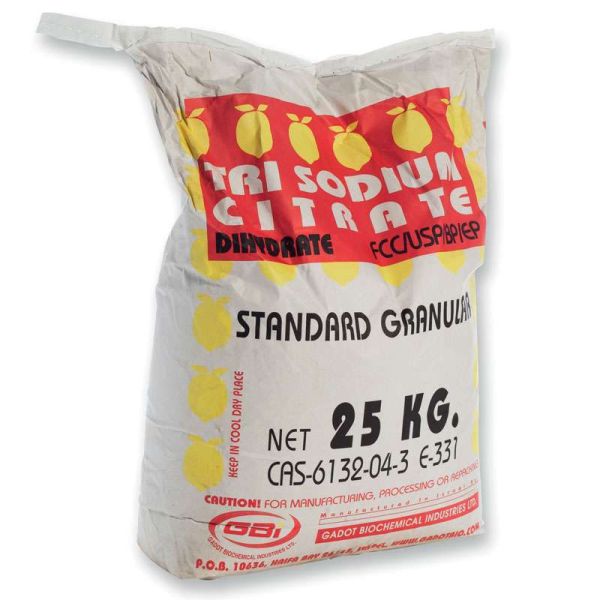
Trisodium Citrate (25kg)
Trisodium Citrate is more commonly known as sodium citrate, it acts as an acidity regulator in beverages and also has some antioxidant properties.
Availability:
In stock
SKU
SODCIT-25K
Trisodium citrate, also known as sodium citrate, is a sodium salt of citric acid, and it has some specific applications in brewing, primarily related to water chemistry and the stabilisation of certain beer characteristics.
Here are some key points about its use in the brewing process:
1. pH Buffering: pH Control: Trisodium citrate acts as a buffering agent that helps stabilise the pH of wort and beer. Maintaining a stable pH is crucial during the brewing process, particularly during mashing, fermentation, and conditioning. Optimal pH levels enhance enzyme activity during mashing and promote yeast health during fermentation.
2. Improving Mouthfeel: Flavour Development: Trisodium citrate can smoothen the mouthfeel of the beer. This is particularly useful in styles that benefit from a softer and rounder mouthfeel, enhancing the overall sensory experience.
3. Chelating Agent: Metal Ion Binding: As a chelating agent, trisodium citrate can bind various metal ions, which may interfere with yeast health and the brewing process. By reducing the concentration of unwanted metal ions, it can help promote a healthier fermentation and better beer quality.
4. Application in Certain Styles: Specific Beer Styles: While not as commonly used as other brewing salts, trisodium citrate may find applications in specific beer styles, particularly those where pH control and mouthfeel are critical. Some brewers might use it in lighter beer styles to create a more refreshing taste.
5. No Alcoholic and Specialty Brews: Sour and No Alcoholic Beers: Trisodium citrate may also be used in sour ales or no alcoholic beers where pH control can be particularly important to achieve desired flavour profiles.
Considerations: Dosage: The amount of trisodium citrate used should be carefully measured. Breweries typically start with small quantities and adjust based on pH readings and taste tests. Taste Impact: While trisodium citrate can help with mouthfeel and pH stabilisation, using it excessively may impart a slightly mineral or salty flavour, which could be undesirable.
| Vegan | No |
|---|
Need technical advice?
Find all the your TDS and SDS here.
Talk to the people in the know by calling one of our qualified brewers and winemakers on 0115 978 5494



Murphy & Son, Alpine Street, Old Basford, Nottingham, NG6 0HQ, United Kingdom.
Murphy & Son Ltd | 0115 978 5494 | Legal Pages