Order before 2pm for UK next day shipping | US | EXPORT

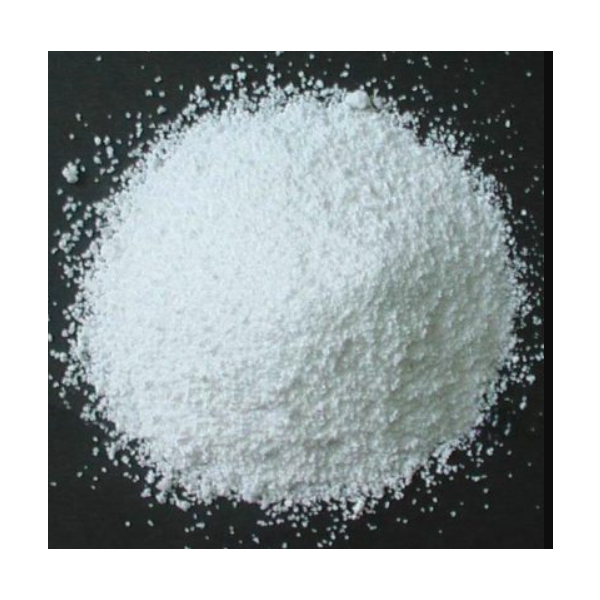
Potassium Carbonate (25kg)
Potassium Carbonate (K?CO?) is a white, water-soluble salt commonly used in brewing and winemaking. It helps adjust pH levels, acts as a buffering agent, and is used in certain styles of beer to modify water chemistry.
Availability:
In stock
SKU
POTCAR-25K
Brewing (Water Chemistry Adjustment)
Purpose: Increases alkalinity and raises pH in brewing water, particularly useful for darker beers.
Dosage:
General Range: 0.1–0.5 grams per litter of water.
For pH Adjustment: Start with 0.2 grams per litter and adjust based on water profile.
For Dark Beers (e.g., Stouts, Porters): Up to 0.5 grams per litter may be used if necessary.
How to Use:
Dissolve Potassium Carbonate in a small amount of warm water before adding it to your brewing water.
Always measure pH after adjustments to avoid excessive alkalinity.
Winemaking (Acidity Reduction)
Purpose: Reduces acidity (increases pH) in highly acidic wines.
Dosage:
General Range: 0.4–0.8 grams per litter of wine.
For Minor Acid Reduction: 0.4 grams per litter can reduce titratable acidity (TA) by approximately 0.1 g/L.
Maximum Recommended Dose: 1 gram per litter, as excessive use can cause instability.
How to Use:
Add Potassium Carbonate to wine before fermentation to avoid disrupting yeast activity.
Allow time for precipitation (Potassium Bitartrate formation) and rack off sediment.
| Vegan | No |
|---|
Need technical advice?
Find all the your TDS and SDS here.
Talk to the people in the know by calling one of our qualified brewers and winemakers on 0115 978 5494



Murphy & Son, Alpine Street, Old Basford, Nottingham, NG6 0HQ, United Kingdom.
Murphy & Son Ltd | 0115 978 5494 | Legal Pages