Order before 2pm for UK next day shipping | US | EXPORT

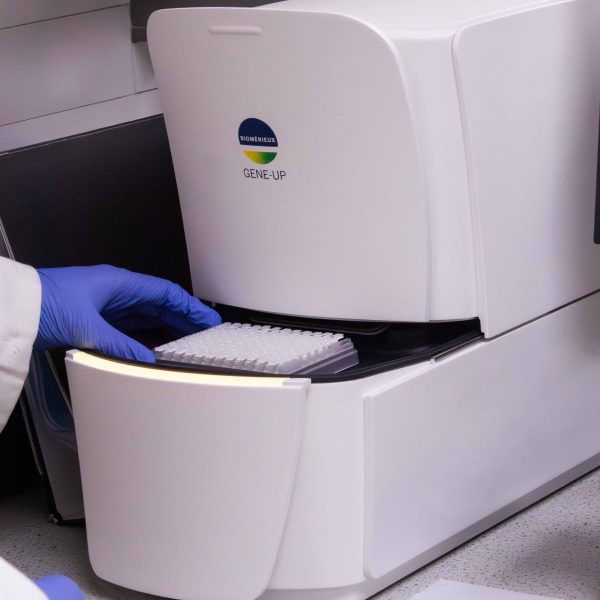
PCR (Real Time) Analysis
Identifies typical spoilage microorganisms (yeasts incl. S. diastaticus and bacteria) with high sensitivity and specificity.
Availability:
In stock
SKU
LAB-PCR
Real-time PCR (qPCR) is a highly sensitive and rapid molecular technique used in beverge quality control to detect and quantify microbial contaminants, such as spoilage bacteria (Lactobacillus, Pediococcus, Pectinatus, Megasphaera) and wild yeasts (Brettanomyces). This method amplifies specific DNA sequences of target microorganisms, providing real-time detection without the need for extended incubation periods required in traditional plating methods.
Key Steps in PCR Analysis:
Sample Preparation: Beer or spirit samples are filtered or centrifuged to concentrate microorganisms.
DNA Extraction: Microbial DNA is isolated using an automated system.
PCR Amplification: Target DNA is amplified using specific primers and fluorescent probes.
Detection & Quantification: Fluorescence signals are measured, providing quantitative microbial counts in hours.
Advantages of Real-Time PCR:
Rapid Results: Detection in hours instead of days.
High Sensitivity & Specificity: Identifies low levels of contamination.
Quantitative Data: Provides microbial load estimation.
Non-Culture Based: Detects viable but non-culturable (VBNC) microorganisms.
This method helps breweries and distilleries ensure product stability, prevent spoilage, and comply with microbiological safety standards.
| Vegan | No |
|---|
Need technical advice?
Find all the your TDS and SDS here.
Talk to the people in the know by calling one of our qualified brewers and winemakers on 0115 978 5494


Murphy & Son, Alpine Street, Old Basford, Nottingham, NG6 0HQ, United Kingdom.
Murphy & Son Ltd | 0115 978 5494 | Legal Pages