Order before 2pm for UK next day shipping | US | EXPORT

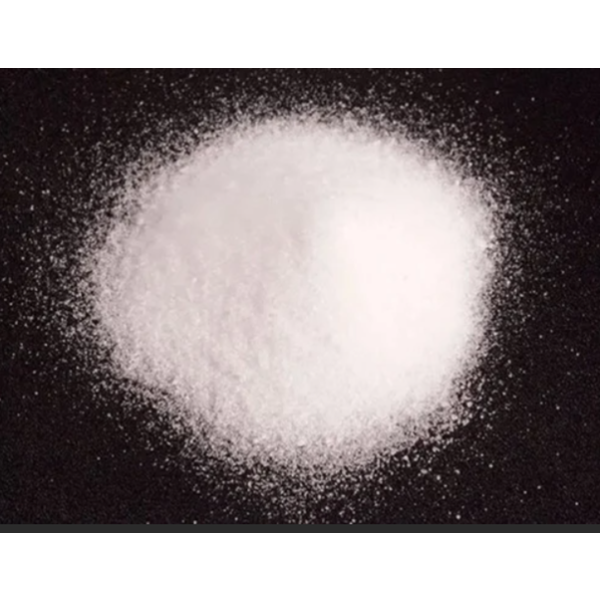
Sodium Sulphate Anhydrous (25kg)
Sodium sulphate particularly in its anhydrous form, is a chemical compound that can play a significant role in brewing, especially regarding water chemistry and beer flavour profile.
Availability:
In stock
SKU
SODSUL-25K
1. Water Chemistry Adjustment:
Sodium Source: Sodium sulphite contributes sodium ions to the brewing water, which can influence the taste and mouthfeel of the beer. Sodium in moderate amounts can enhance the perceived fullness of the beer but should be used cautiously to avoid an overly salty taste.
Sulphate Source: The sulphate ions from sodium sulphate are particularly crucial in brewing, as they can accentuate hop bitterness and contribute to a drier finish. This is often desirable in certain beer styles, especially those that are hoforward, such as IPAs and other pale ales.
2. Flavour Profile:
Hop Character: Sulphate helps bring out the hop bitterness and aroma. A higher sulphattchloride ratio can create a crisper and drier beer, which allows hops to shine more prominently. This contrast can lead to a more balanced and complex beer, depending on the desired style.
Beer Styles: Sodium sulphate is commonly used in brewing pale ales, IPAs, and other Holden styles to enhance hop character, while a lower sulphate level might be preferred for malt forward styles like stouts or porters.
3. Impact on Mouthfeel:
Dry Finish: By increasing the sulphate concentration in the brewing water, brewers can create a drier mouthfeel, which can be desirable in enhancing the experience of bitterness from hops. This is particularly important in balancing the sweetness from malt in various styles of beer.
4. Use and Dosage:
Calculating Additions: Breweries often utilise water chemistry software or tests to determine the starting mineral content of their water. Based on these readings, brewers can calculate the necessary additions of sodium sulphate to achieve the desired sulphate:chloride ratio.
Moderation is Key: Since sodium sulphate can impact flavour significantly, brewers must be careful with how much they use. A good practice is to start with small amounts and taste the wort and beer as they progress to adjust if needed.
5. Brewing Practices:
For All Grain Systems: Sodium sulphate can be added directly to the mash or sparge water. It is important to consider the overall mineral content of the water before additions, as different styles may require varying mineral profiles.
Versatile Use: While its primary influence is on the balance of hop bitterness to sweetness, brewers need to understand the overall impact on mouthfeel and aroma when using sodium sulphate.
| Vegan | No |
|---|
Need technical advice?
Find all the your TDS and SDS here.
Talk to the people in the know by calling one of our qualified brewers and winemakers on 0115 978 5494



Murphy & Son, Alpine Street, Old Basford, Nottingham, NG6 0HQ, United Kingdom.
Murphy & Son Ltd | 0115 978 5494 | Legal Pages