Order before 2pm for UK next day shipping | US | EXPORT

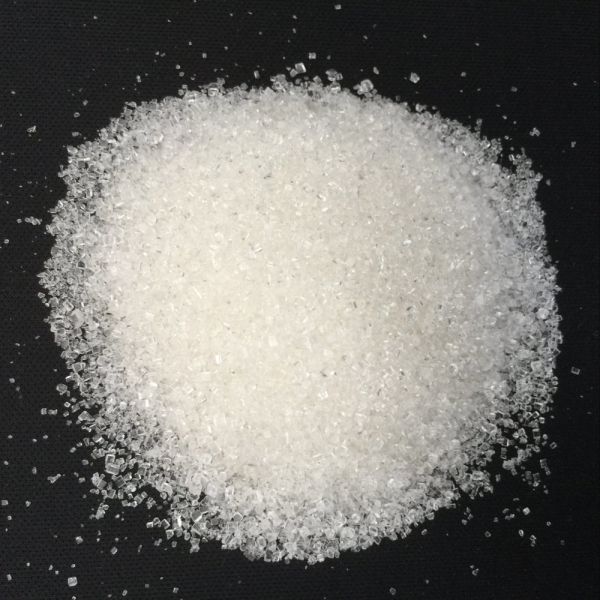
Tartaric Acid (25kg)
Tartaric acid is a naturally occurring organic acid found in many plants, particularly in grapes. It's commonly used in the beverage industry as an acidulant, stabilising agent, and to enhance the flavour profile of products.
Availability:
In stock
SKU
TARA-25K
Common Uses in Beverage Production:
Acidulant: Tartaric acid is primarily used as an acidulant in beverages to provide a tart or sour taste. It is particularly prevalent in fruit juices, soft drinks, and some alcoholic beverages.
Wine Production: Tartaric acid is naturally found in wine grapes and is essential for balancing acidity in wine. It helps to stabilise the wine, preventing the formation of potassium bitartrate crystals that can appear in improperly stored wines.
Antioxidant: Tartaric acid can also help stabilise products and maintain freshness by acting as an antioxidant, reducing spoilage or discolouration in some drinks.
Synergy with Other Acids: When combined with citric or malic acids, tartaric acid can help achieve a balanced and well-rounded flavour profile in beverages, such as fruit-flavoured drinks.
pH Adjuster: It is used to adjust the pH of beverages, ensuring the right environment for preserving taste and stability.
Safety Considerations:
Tartaric acid is generally recognised as safe (GRAS) when used in accordance with recommended levels in food and beverages. It is important to follow food safety regulations regarding its use.
| Vegan | No |
|---|
Need technical advice?
Find all the your TDS and SDS here.
Talk to the people in the know by calling one of our qualified brewers and winemakers on 0115 978 5494


Murphy & Son, Alpine Street, Old Basford, Nottingham, NG6 0HQ, United Kingdom.
Murphy & Son Ltd | 0115 978 5494 | Legal Pages